
Why Chasing Likes And Followers Is The Wrong Move For Small Businesses
There’s a growing obsession among small and newly established businesses with social media performance, particularly around followers, likes and impressions. On the surface, it feels like progress. Numbers are increasing, posts are getting engagement and there’s visible activity across the platforms.
The problem is that very little of this activity is tied to a clear commercial outcome.
When you ask what those likes or followers are actually meant to deliver, the answers are often vague. The focus tends to be on growing the platform itself rather than growing the business behind it, which is where things start to come unstuck.
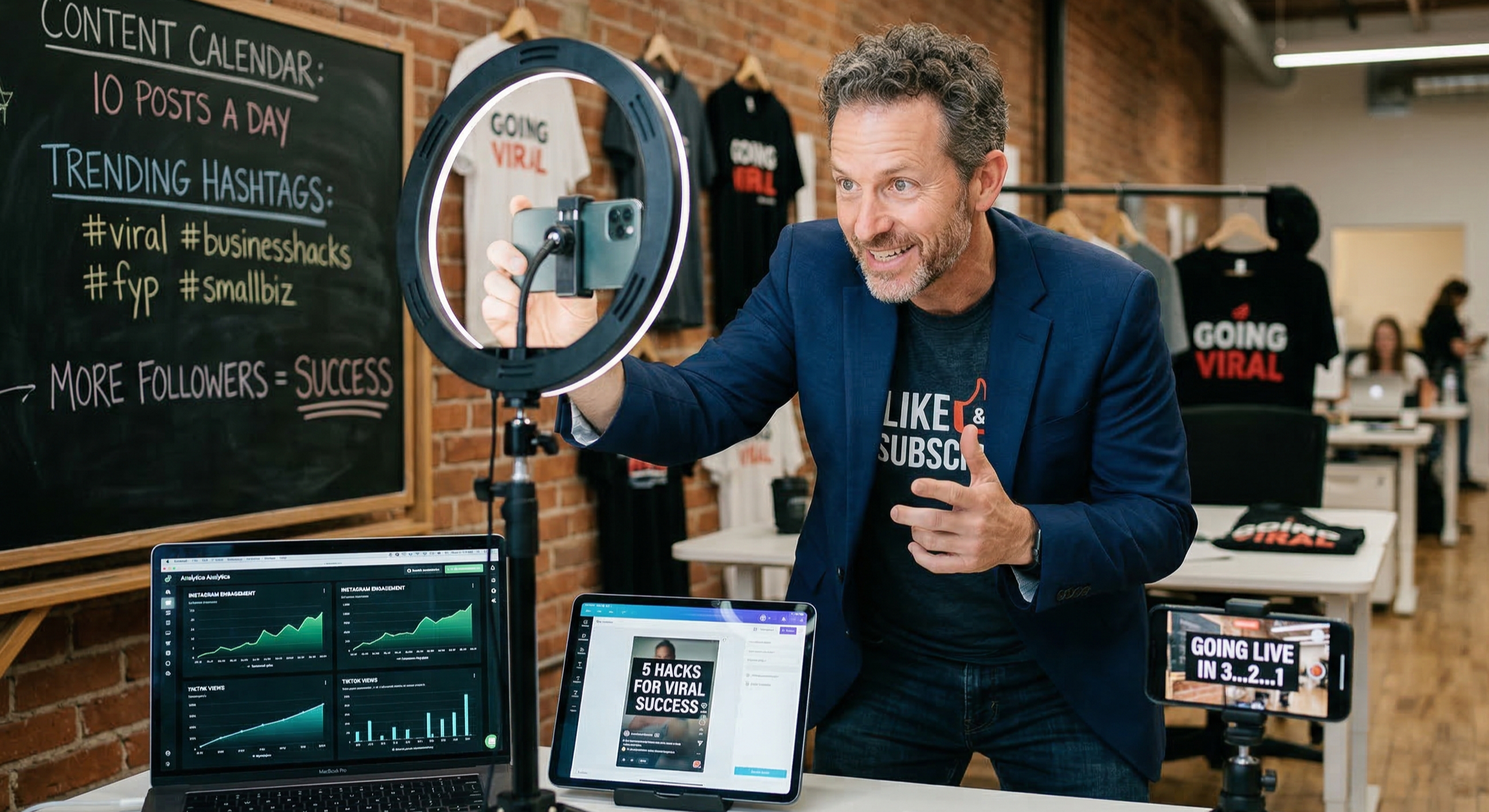
Engagement creates the illusion of progress
Social media gives you immediate feedback, which makes it easy to mistake activity for momentum. A post performs well, engagement increases and it feels like something is working. What that doesn’t tell you is whether any of it has commercial value.
Most people engaging with your content aren’t actively looking to buy. They’re scrolling, passing time or reacting in the moment. That interaction sits a long way from an actual purchasing decision, and in many cases it never gets any closer.
It’s entirely possible to build a decent following and still have no consistent flow of enquiries. A lot of businesses end up in that position, where the numbers on social media look encouraging but the numbers that actually matter haven’t moved.
Going viral doesn’t build a business
The idea of going viral has become an objective in its own right, particularly with the way platforms now distribute content. It’s easy to see why it appeals. A single post can reach a large audience quickly and create a sudden spike in visibility.
What’s often missing is any structure behind that attention.
If there’s no clear route from that visibility to an enquiry or a sale, the impact is short-lived. You might gain followers or see a temporary lift in engagement, but without a defined way of converting that attention, it rarely translates into anything meaningful.
More importantly, the pursuit of going viral tends to shift focus away from the business itself. Content becomes driven by what performs on the platform rather than what supports your services, your positioning or your target audience. That leads to visibility that isn’t particularly relevant, which doesn’t help commercially.
Cash flow sets the priorities
For smaller businesses, especially in the early stages, cash flow is what dictates everything else. Suppliers need paying, stock needs buying and overheads don’t pause while you build an audience. Social media metrics typically don’t address that.
Unless there’s a clear system in place that turns attention into enquiries and enquiries into sales, engagement sits completely separate from the financial reality of the business. That’s why it becomes important to focus on activity that has a direct impact on revenue, particularly when time and budget are limited.
Channels that capture intent tend to play a more immediate role in that. When someone is actively searching for a product or service, they are much closer to making a decision than someone who has come across a post in their feed.
Activity without direction doesn’t compound
One of the reasons social media can feel productive is that it creates constant movement. There’s always something to post, something to respond to and something to measure, which gives the impression that progress is being made. Without a clear objective, that activity doesn’t really build towards anything.
Content becomes reactive rather than deliberate, shaped by trends or formats rather than a defined commercial goal. It often ends up appealing to a broad audience rather than the people most likely to buy, which dilutes its effectiveness further.
Over time, this creates a disconnect where the business is putting consistent effort into its social presence but seeing very little return in terms of enquiries or revenue.
Growth comes from clarity, not visibility
When small businesses start to generate consistent results, it usually comes from clarity rather than exposure. They understand who they want to attract, where those people are looking and what needs to happen once they arrive. That clarity changes how marketing is approached.
Search becomes more important because it captures demand that already exists. Website performance becomes more important because it determines whether that demand turns into enquiries. Messaging becomes more specific because it needs to reflect real buying decisions rather than general interest.
Social media still has a place within that, but it supports a wider structure rather than trying to carry it.
Social media isn’t the problem
None of this is about dismissing social media, or the people and agencies who specialise in it.
If your objective is reach, awareness or simply getting your brand in front of more people, social media can do that very effectively. There are businesses and entire teams built around doing exactly that, and in the right context it works.
The issue comes when that objective is confused with revenue. If you don’t care whether the people seeing your content buy from you, then growing followers and engagement is a perfectly valid goal. If you do care about leads and sales, particularly in the short term, those metrics on their own won’t get you there.
That’s where the disconnect tends to happen. The activity looks right on the surface, but it isn’t aligned with what the business actually needs.
Focus on what actually moves the business
It’s easy to get drawn into what looks like growth when you’re tracking engagement, followers and reach. Those numbers are visible and they move quickly, which makes them feel important.
If they aren’t connected to enquiries, sales and revenue, they don’t move the business forward in a meaningful way.
For smaller businesses, focus matters more than visibility. Time and budget are limited, so they need to be directed towards the activity that has the greatest commercial impact.
A more useful starting point
Before investing more time into growing a social following, it’s worth taking a step back and asking what the business is actually trying to achieve. If the objective is more enquiries, more sales and more consistent revenue, then marketing activity needs to be aligned with that.
Once that direction is clear, decisions around channels, content and investment become much easier to make. Social media can then be used in a way that supports those outcomes, rather than existing as a standalone goal.
That shift in thinking tends to be where progress actually starts.
If your business is active on social media but you’re not seeing it translate into consistent enquiries or sales, the issue is rarely the effort being put in. It’s usually a lack of clarity around what that activity is meant to achieve. Getting that direction right makes the difference between staying busy and actually growing.
