
We're still over a week away from Black Friday, yet you'd be forgiven for thinking it had already been and gone. Retailers have been advertising their Black Friday offers since the beginning of November, inboxes are filling up with supposedly exclusive discounts and social media feeds are awash with promotions encouraging customers to buy before it's too late.
Black Friday has gradually become Black Friday Week, Black Friday Month and, in some cases, what feels like an endless cycle of promotional activity stretching from October through to Christmas. Every retailer seems desperate to get ahead of the competition, launching offers earlier, extending deadlines and finding increasingly creative ways to convince customers that now is the time to spend.
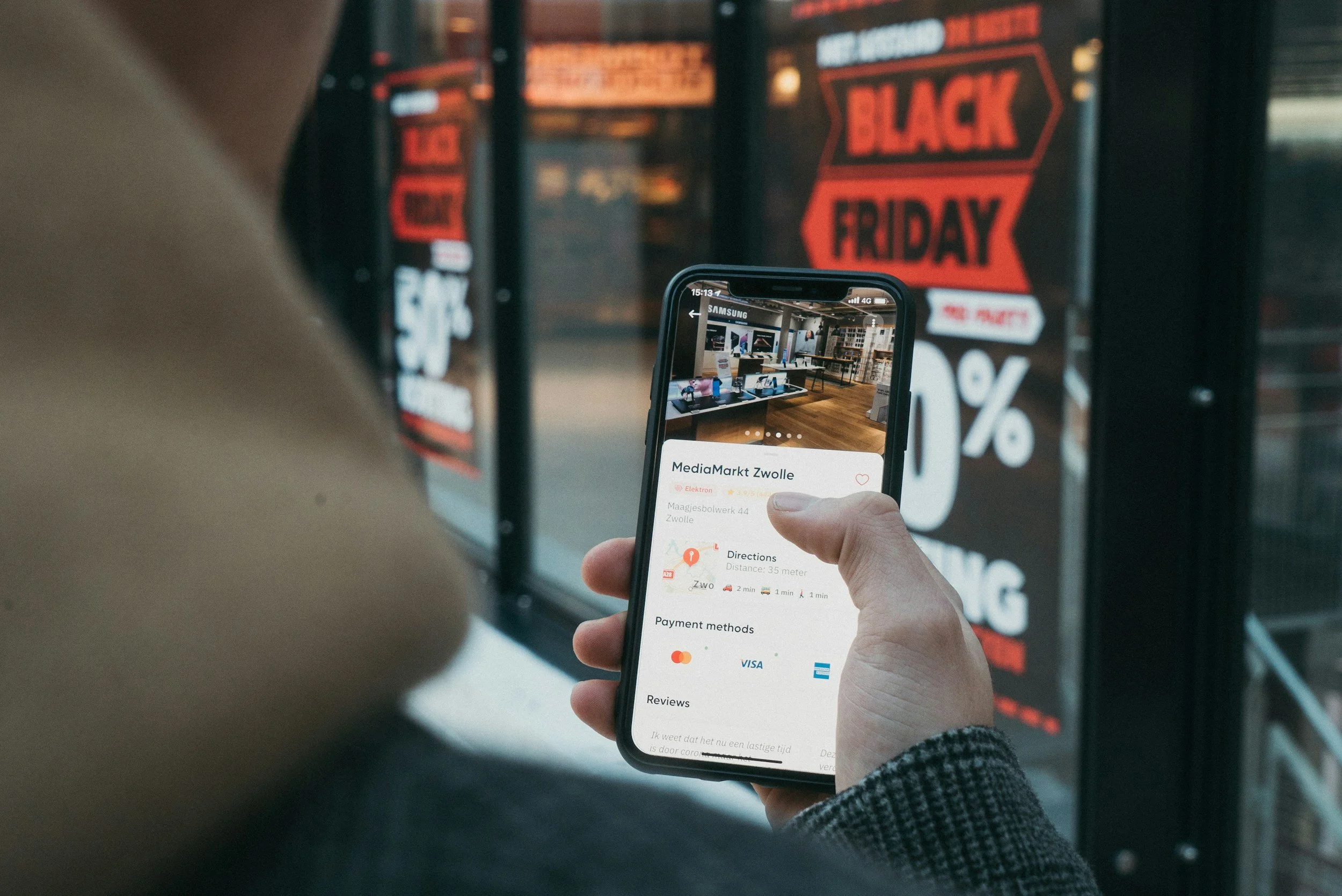
But we can't help wondering whether retailers have created a problem for themselves.
What was once an opportunity to generate excitement around a relatively short period of significant discounts has become something that consumers are increasingly accustomed to seeing. When practically every retailer is running a promotion, and those promotions seem to last for weeks, how much excitement is there left to generate?
There's also the question of whether customers actually believe the offers they're being presented with. We've all seen products advertised with enormous percentage discounts, countdown timers warning that a sale is about to end and emails declaring that an offer is your 'LAST CHANCE', only for an almost identical promotion to appear a few days later.
Retailers have spent years encouraging customers to wait for discounts, question the normal selling price and expect another promotion to be just around the corner. It's hardly surprising that some consumers are becoming more sceptical about the value they're supposedly receiving.
Have retailers become so obsessed with making Black Friday bigger that they've gradually undermined the very thing that made it successful in the first place?
When Black Friday Became Black November
There was a time when Black Friday meant exactly that. One Friday in November when retailers offered substantial discounts, followed by Cyber Monday for those looking to pick up a deal online. Customers knew when the sales were happening, retailers had a relatively short window to capitalise on demand and there was a genuine sense of urgency around making a purchase.
These days, you'd struggle to find a major retailer that actually confines its Black Friday activity to the Friday itself.
Early access promotions, Black Friday previews, VIP discounts and extended sales have become commonplace, with some retailers launching their campaigns weeks before the event. By the time the actual Friday arrives, customers have already spent much of November being told that the biggest sale of the year is happening right now.
It's a strange situation when you think about it. Retailers are investing considerable amounts of money trying to create excitement around an event that they've simultaneously made less distinctive by extending it across several weeks.
Of course, there's a commercial argument for starting earlier. Retailers want to capture customers before their competitors do, spread demand across a longer period and avoid relying on a single weekend to generate sales. For businesses with substantial order volumes, spreading purchases across November can also help manage fulfilment and customer service pressures.
But there's a wider consequence to all of this that doesn't seem to receive nearly enough attention.

When a retailer advertises its biggest sale of the year on 1st November, what exactly is left to say on 28th November? Another email? A bigger discount? A supposedly final opportunity to save before the promotion gets extended into December?
We've reached a point where some retailers are effectively competing against their own promotional activity. Customers who purchase during an early Black Friday sale may discover a better offer later in the month, while those who decide to wait are rewarded for holding off. Neither situation is particularly helpful when you're trying to build confidence in your pricing and encourage customers to purchase when they're ready.
There's also the sheer volume of promotional communication to consider. When every retailer is sending multiple emails, running paid advertising campaigns and filling social media feeds with discount announcements, the chances of any individual promotion standing out become increasingly slim.
For smaller eCommerce businesses, this can be particularly frustrating. They're competing for attention against retailers with enormous advertising budgets, often feeling pressured to increase their own expenditure or offer deeper discounts simply to remain visible.
We'd question whether extending Black Friday across an entire month has genuinely created more demand, or whether retailers are simply fighting harder and spending more money to capture purchases that would have happened anyway.
Customers have become accustomed to the constant promotional noise, and the urgency that once surrounded Black Friday has inevitably weakened. When everything is advertised as a limited-time opportunity, it's difficult to take any of those deadlines particularly seriously.
Retailers wanted Black Friday to become bigger. They've certainly achieved that, but in doing so, they may have made it considerably less meaningful.
When Customers Stop Believing The Discounts
Perhaps one of the most damaging consequences of Black Friday becoming such an enormous promotional event is the growing scepticism surrounding the discounts themselves.
We've all seen retailers advertising products with enormous savings, sometimes claiming reductions of 50%, 60% or even 70%. Those figures certainly grab attention, but how many customers genuinely believe they're getting that much off the normal selling price?
It's become increasingly common for consumers to research the price history of products before committing to a purchase. Price comparison websites, browser extensions and services such as CamelCamelCamel make it relatively straightforward to establish whether something has genuinely been reduced or whether it's been available at a similar price throughout the year.
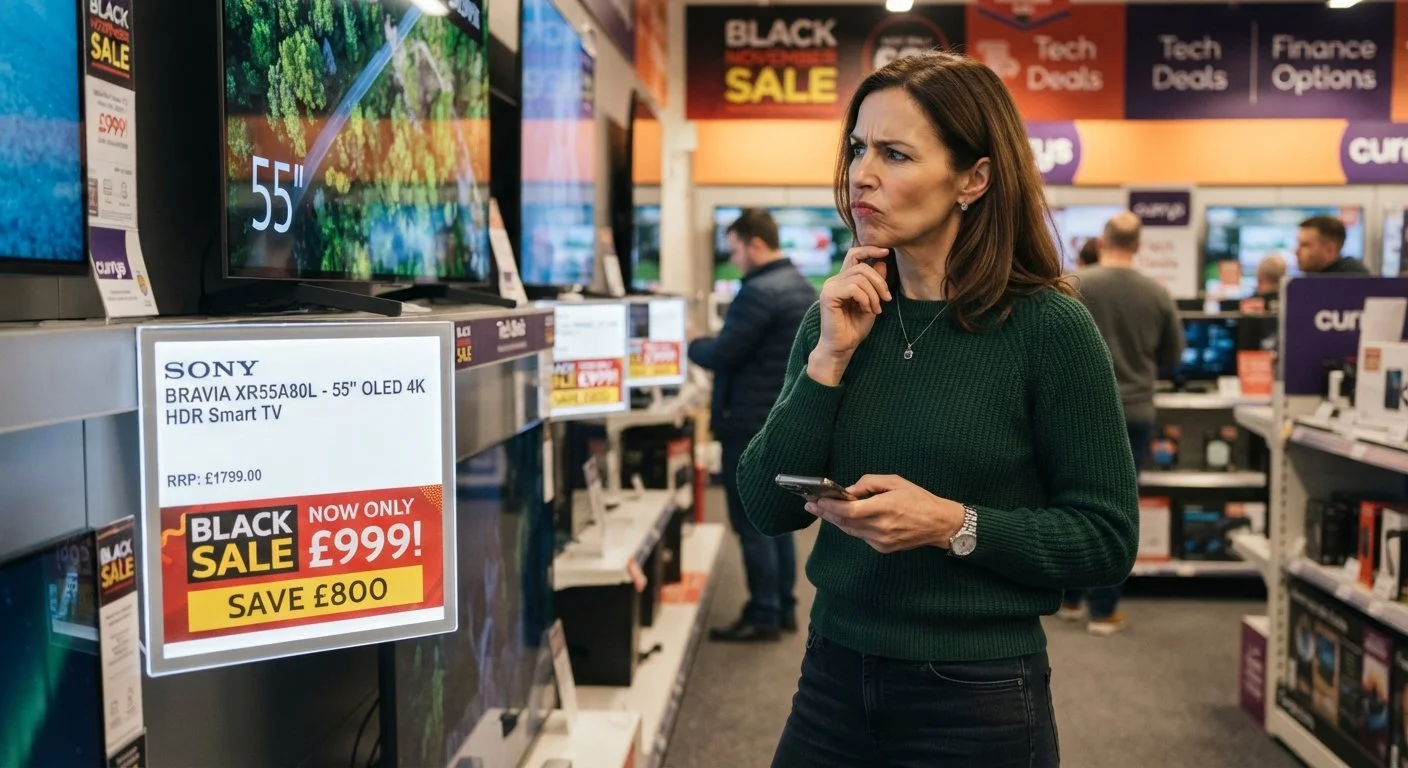
That's a fairly damning reflection of how much trust has been lost. Customers are being encouraged to question whether the prices advertised by retailers are actually genuine, rather than taking the offers at face value. Of course, there are rules governing how businesses advertise promotional prices in the UK, and retailers shouldn't be misleading consumers about the savings they're offering. But even where promotions are technically compliant, there's still a question about how they're perceived.
Consider a product that regularly sells for £100 but carries a recommended retail price of £150. A retailer might advertise it during Black Friday as being reduced from £150 to £100, presenting customers with an apparent £50 saving. Yet somebody who's been watching that product for several months knows perfectly well that £100 is what it normally costs. The retailer might consider the promotion a perfectly reasonable way of presenting the product's value, but the customer is unlikely to be particularly impressed.
The problem becomes even more pronounced when retailers repeatedly advertise their biggest discounts of the year. If a business runs a 20% promotion in September, another in October and then announces 20% off for Black Friday, what reason does the customer have to believe they're being offered anything particularly special?
We'd also question the increasingly aggressive use of countdown timers, stock warnings and supposedly exclusive offers. There's nothing wrong with communicating a genuine deadline or limited availability, but when a promotion advertised as ending at midnight is still running the following morning, customers quickly learn to disregard those messages.
Once that happens, the retailer has created a problem that extends well beyond Black Friday. If customers stop believing your promotional claims, why should they trust what you're telling them about your products, your service or the value your business offers?
This is particularly frustrating for retailers that genuinely do offer substantial discounts. They're competing for attention in a market where consumers have become accustomed to questioning promotional claims, often because of the behaviour of other businesses.
There's a reason trust plays such an important role in eCommerce. Customers are being asked to spend money with businesses they may never have dealt with before, often without seeing the products in person. Reviews, clear pricing, reliable delivery information and honest communication all contribute to giving people the confidence to purchase.
Undermining that confidence for the sake of making a Black Friday promotion appear more attractive seems remarkably short-sighted. If customers feel they need to investigate whether your Black Friday discount is genuine, you've already got a problem that a bigger percentage-off graphic isn't going to solve.
Have Retailers Trained Customers To Stop Paying Full Price?
Another consequence of constant discounting we think retailers need to take considerably more seriously is the effect it has on how customers perceive the value of their products.
When a business repeatedly offers 20%, 30% or even 40% off throughout the year, customers eventually begin to question whether the original selling price represents good value. After all, if a retailer can afford to sell something at a substantial discount every few weeks, why should anybody feel compelled to purchase it at full price?
It's a particularly difficult position for retailers that have spent years building their reputation around product quality, specialist knowledge or customer service. Those things take time and money to develop, yet the relentless emphasis on promotional pricing can gradually reduce the purchasing decision to little more than who happens to be offering the biggest discount.

Black Friday has arguably accelerated this behaviour. Customers know that November will bring a wave of promotions, and many are perfectly happy to delay purchases in anticipation. For businesses selling furniture, flooring, electronics and other considered purchases, that can mean weeks of customers browsing, researching and adding products to baskets without actually completing their orders.
Retailers then find themselves in the rather ridiculous position of having to offer discounts to encourage those same customers to purchase products they were already interested in buying.
Of course, consumers are entitled to look for the best possible deal, and we'd never criticise somebody for waiting a few weeks to save money on a significant purchase. The question is whether retailers have inadvertently created these expectations through their own promotional behaviour.
We've seen businesses become increasingly dependent on discounting to generate sales momentum. Trading slows, so a promotion is launched. Orders increase, everybody breathes a sigh of relief and things return to normal once the offer finishes. A few weeks later, sales begin to soften again and another promotion appears.
It's easy to see how that cycle develops, particularly when a short-term increase in revenue helps relieve pressure on cash flow or provides some reassurance during a difficult trading period. However, there's a risk that customers begin to recognise the pattern and simply wait for the next offer.
At that point, retailers have made their own job considerably harder. They've established a customer base that's reluctant to purchase at normal prices, while simultaneously making promotional activity an increasingly important part of maintaining sales volumes.
There's also a question about what this does to brand positioning. If a retailer claims to offer premium products, exceptional quality or specialist expertise, constantly leading its marketing with discounts can begin to undermine those messages. Customers may start to associate the business with promotional pricing rather than the qualities that originally made it distinctive.
We're certainly not suggesting retailers should abandon promotions altogether. Carefully planned discounts can be commercially sensible, particularly when clearing seasonal inventory, introducing new product ranges or rewarding loyal customers. But there needs to be some consideration of the expectations those promotions create and how they influence purchasing behaviour over time.
A retailer that relies on Black Friday to generate a substantial proportion of its annual revenue should be asking whether that dependence is healthy, especially if customers are increasingly reluctant to spend outside promotional periods. If you've spent years teaching customers that your products will eventually be cheaper, you can't be particularly surprised when they stop wanting to pay full price.
Has Black Friday Lost Its Way?
Black Friday isn't going anywhere. Despite growing scepticism around discounts and the seemingly endless promotional activity, millions of consumers will still be looking for bargains this November, and plenty of retailers will generate significant sales as a result.
We wouldn't suggest that businesses should abandon Black Friday simply because some retailers have taken things too far. There are perfectly legitimate reasons to participate, and businesses offering genuine value to their customers should absolutely be able to benefit from the increased demand.
However, we do think the retail industry needs to take some responsibility for the situation it's created.
Retailers have gradually extended Black Friday across several weeks, encouraged customers to question the credibility of advertised savings and made discounting such a regular occurrence that paying full price can sometimes feel like a poor decision. They've also created an environment where businesses feel compelled to participate, even when doing so might not be in their best commercial interests.
The irony is that much of this has been driven by retailers trying to gain an advantage over their competitors. Yet when everybody adopts the same approach, launching earlier promotions, offering increasingly aggressive discounts and bombarding customers with supposedly urgent messages, the result is an enormous amount of activity that becomes progressively easier to ignore.
We'd encourage retailers to think carefully about the messages they're sending to customers, particularly when it comes to pricing and promotional claims. If you're advertising your biggest sale of the year, make sure it genuinely deserves that description. If you're telling customers an offer ends tonight, it should end tonight. If you're offering a substantial discount, consider whether the saving represents genuine value against what customers would ordinarily expect to pay.
Perhaps most importantly, businesses should have enough confidence in their products, services and overall proposition to recognise that competing on price isn't always necessary.
There's still an opportunity for Black Friday to be a commercially worthwhile event that customers genuinely look forward to. But rebuilding some of the trust and excitement that surrounded it will require retailers to reconsider how they approach promotions, rather than continuing to stretch the event further every year.
Black Friday was supposed to give customers a reason to buy. Retailers have spent years giving them reasons to wait, question the discounts and distrust the urgency. Perhaps it's time they asked themselves whether that's really been worth it.
